
In chemical procurement, documentation is often treated as administrative paperwork.
In reality, it is protection.
For factories, laboratories, healthcare institutions and regulated manufacturers in Malaysia, proper chemical documentation safeguards compliance, ensures product integrity, and reduces operational risk.
A missing document may seem minor during purchase — but during an audit, incident, or quality investigation, that missing document can become a serious liability.
Understanding which documents to request — and why they matter — is part of responsible chemical management.
Why Documentation Matters Beyond Compliance
Chemical documentation serves several critical purposes:
- Confirms product identity and purity
- Defines hazard classifications
- Provides emergency response guidance
- Supports regulatory audits
- Protects against liability
Without proper documentation, businesses operate with limited traceability and increased exposure.
For companies sourcing industrial chemicals in Malaysia, documentation should be standard practice — not an afterthought.
1. Safety Data Sheet (SDS)
The Safety Data Sheet is the most fundamental document in chemical management.
An SDS provides structured information on:
- Hazard identification
- Composition
- First aid measures
- Fire-fighting guidance
- Handling and storage instructions
- Disposal considerations
In Malaysia, workplaces handling hazardous substances are expected to maintain accessible SDS files for employee reference.
During safety inspections, regulators may request immediate access to SDS documentation.
If a supplier cannot provide updated SDS files promptly, that signals risk.
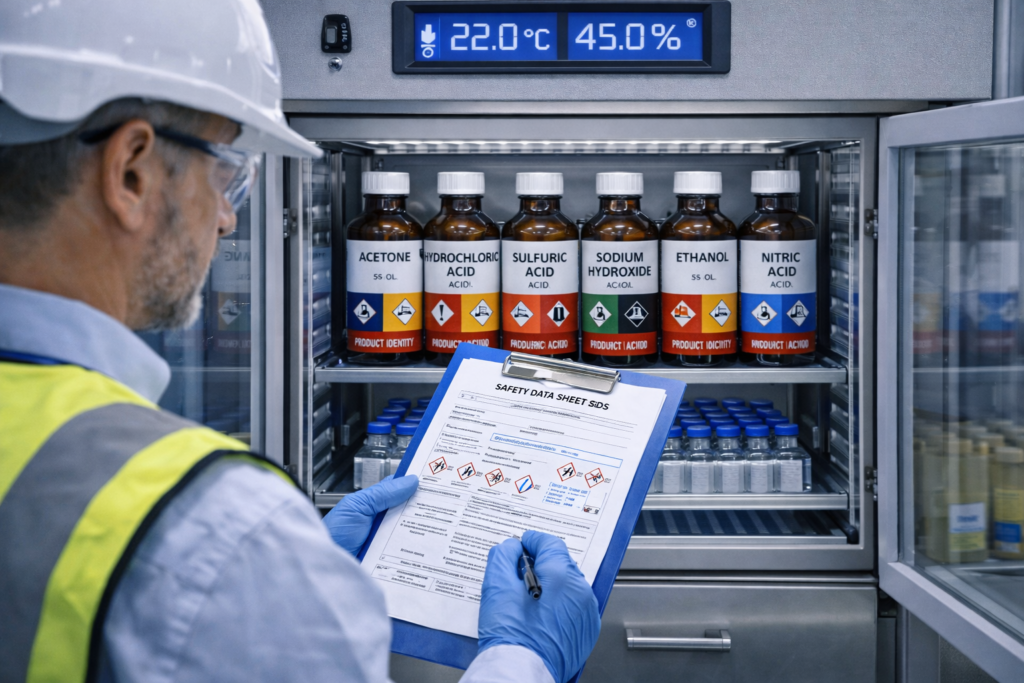
SDS files should be:
- Current (latest revision date)
- Clearly formatted
- Accessible both digitally and physically
2. Certificate of Analysis (COA)
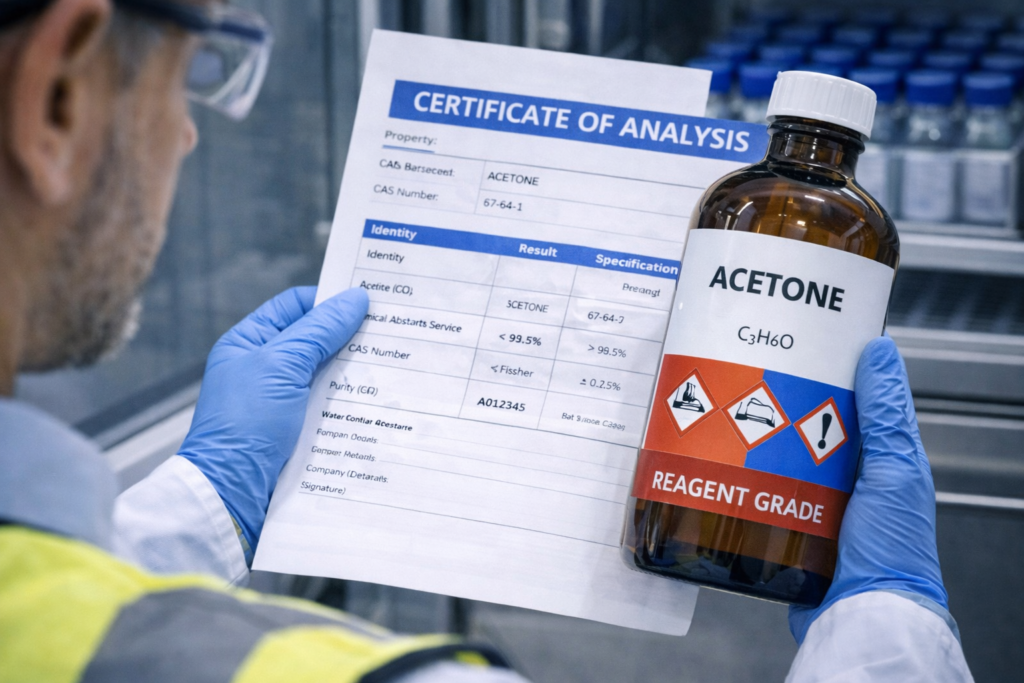
A Certificate of Analysis confirms that a specific batch meets defined specifications.
It typically includes:
- Batch number
- Purity percentage
- Test results
- Acceptance criteria
- Approval signature
For laboratory reagents, analytical chemicals, and regulated production environments, COA documentation is critical.
It provides traceability and ensures that the material used meets required standards.
For buyers sourcing laboratory reagents in Malaysia, COA verification supports quality control and audit readiness.
3. Technical Data Sheet (TDS)
A Technical Data Sheet outlines product characteristics and application guidance.
Unlike SDS, which focuses on safety, TDS focuses on performance.
It may include:
- Physical and chemical properties
- Recommended usage
- Storage recommendations
- Compatibility considerations
For manufacturing environments, TDS documents help technical teams verify suitability before implementation.
4. Product Specification Sheet
A specification sheet defines the expected parameters for a chemical.
This may include:
- Concentration
- Appearance
- Density
- Moisture content
- Acceptable impurity range
Specification sheets are especially important when chemicals are part of finished goods or formulation processes.
They form part of internal quality documentation systems.
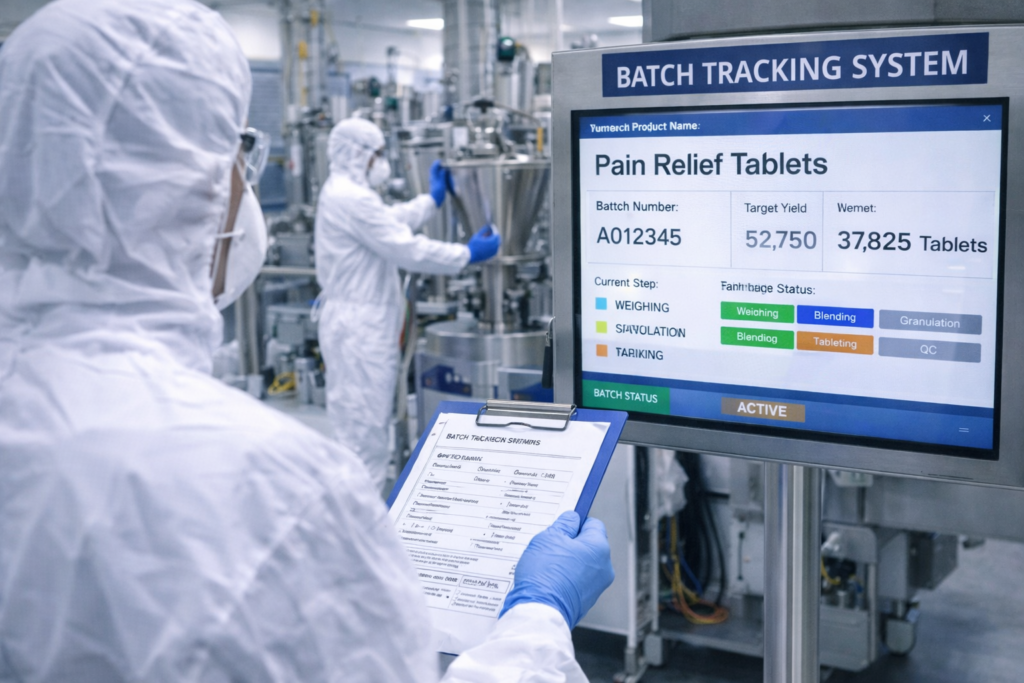
5. Batch Traceability Records
In regulated sectors such as therapeutic or personal care manufacturing, traceability is crucial.
Batch documentation allows companies to:
- Trace raw material origins
- Investigate quality deviations
- Conduct recalls if necessary
- Respond to regulatory inquiries
6. Packaging and Transport Documentation
For bulk chemicals or hazardous materials, additional documentation may be required:
- Transport classification
- Packaging compliance details
- Hazard communication labels
- Export documentation (if applicable)
Incorrect transport classification can result in shipment delays or legal complications.
Common Documentation Mistakes Buyers Make
Even experienced procurement teams sometimes overlook documentation until problems arise.
Common issues include:
- Accepting expired SDS versions
- Failing to verify COA against delivered batch numbers
- Not maintaining organised documentation archives
- Assuming industrial-grade chemicals do not require documentation
- Not preparing documentation before audits
Documentation discipline should be embedded into procurement processes.
Integrating Documentation Into Your Internal Systems
Rather than treating documents as attachments to invoices, businesses should implement structured systems:
- Digital documentation repository
- Batch-to-delivery matching process
- SDS accessibility policy
- Periodic document review
During expansion or new production planning, documentation readiness should be integrated into commissioning procedures.
This ensures smoother regulatory reviews and internal audits.
The Supplier’s Role in Documentation Reliability
A responsible chemical supplier should:
- Provide documentation proactively
- Update SDS revisions regularly
- Maintain traceable batch records
- Respond promptly to documentation requests
If documentation must be chased repeatedly, it may indicate weak internal controls within the supplier’s operations.
Professional suppliers treat documentation as part of the product — not an optional add-on.
Documentation as Risk Mitigation
Chemical management is about reducing uncertainty.
Documentation reduces:
- Safety risk
- Regulatory exposure
- Quality disputes
- Insurance complications
- Operational interruption
In the event of an incident, proper documentation demonstrates due diligence.
This protects not only operations — but also corporate reputation.
Final Thoughts
For Malaysian factories, laboratories and regulated manufacturers, documentation is not administrative burden.
It is operational protection.
Requesting complete and accurate documentation should be standard procurement practice. When documentation flows consistently, compliance confidence increases.
A structured approach to chemical documentation ensures that your organisation is prepared — not reactive — when audits, inspections, or unexpected incidents occur.
Professional chemical management begins with disciplined documentation.